Picture a packed 50,000-seat stadium. Now picture more than 2,600 of them. That is roughly how many Americans are living with diabetes or prediabetes right now – more than 133 million people, according to the American Diabetes Association. And many of them have no idea.
That is exactly why November is Diabetes Awareness Month. For 30 days, the world turns blue, shares stories, and pushes one simple message: know your risk, and act early.
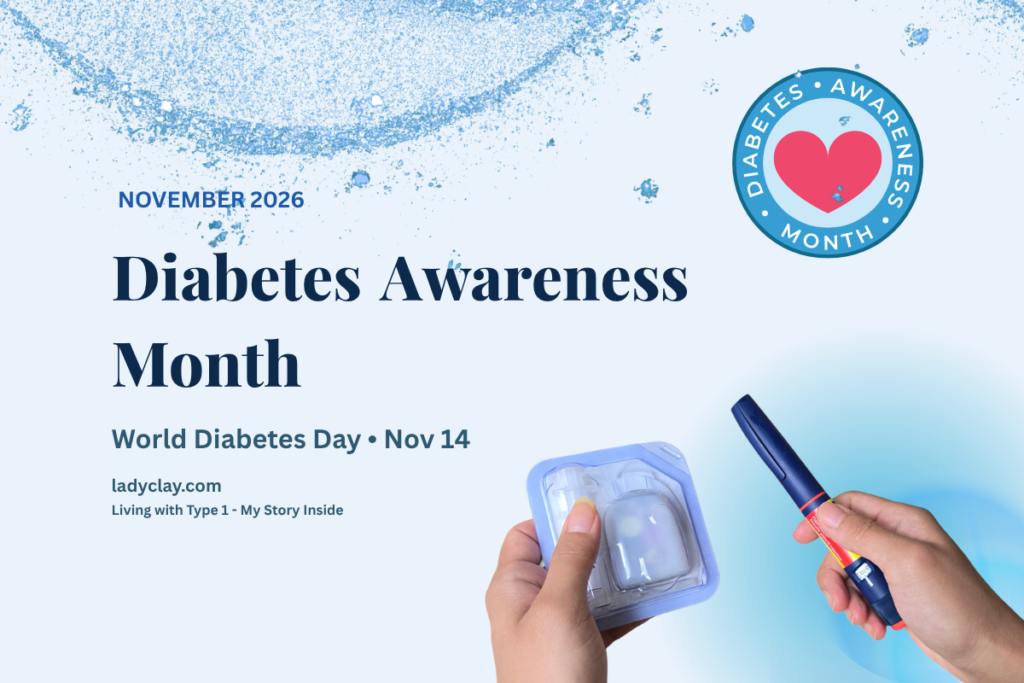
Quick answer: November is Diabetes Awareness Month (also called American Diabetes Month) in the United States. The highlight is World Diabetes Day on November 14, the birthday of Sir Frederick Banting, who co-discovered insulin in 1921. The 2026 global theme is “Early Action on Diabetes.”
Whether you live with diabetes, love someone who does, or just want to protect your own health, this guide is for you. Let’s dive in.
Why Is November Diabetes Awareness Month?
November has been recognized as National Diabetes Month in the U.S. since 1975. The date that anchors it is November 14, the birthday of Frederick Banting. His discovery of insulin turned diabetes from a death sentence into a manageable condition.
In 1991, the International Diabetes Federation (IDF) and the World Health Organization (WHO) created World Diabetes Day. It became an official United Nations Day in 2006 and now reaches people in more than 160 countries.
The 2026 themes at a glance
| Campaign | Who runs it | 2026 theme | Hashtag |
|---|---|---|---|
| World Diabetes Day (Nov 14) | IDF + WHO | Early Action on Diabetes | #ActEarlyOnDiabetes |
| American Diabetes Month (all November) | American Diabetes Association | Today’s Diabetes Hits Different | #hitsdifferent |
What “Early Action” means: catching diabetes sooner, lowering risk before it starts, getting people into care faster, and ending the stigma that keeps people from getting tested. This theme runs for two years, 2026 and 2027.
Why the blue circle?
The blue circle is the global symbol for diabetes. The circle stands for unity, and the blue reflects the sky and the color of the United Nations flag. Wear blue on November 14 and you are part of the world’s largest diabetes awareness campaign.
Diabetes by the Numbers: Facts That Will Stop You Scrolling
Diabetes is one of the fastest-growing health challenges on the planet. Here is what the latest data shows.
| The fact | The number | Source |
|---|---|---|
| Adults living with diabetes worldwide | 589 million (about 1 in 9) | IDF Diabetes Atlas 2025 |
| Adults worldwide who don’t know they have it | 252 million (over 4 in 10) | IDF |
| Projected adults with diabetes by 2050 | 853 million | IDF |
| Americans with diabetes | 38.4 million (11.6% of the population) | CDC |
| U.S. adults with prediabetes | 97.6 million (more than 1 in 3) | NIDDK |
| U.S. kids and teens with type 1 diabetes | 304,000 | CDC |
The scariest part? About 1 in 5 U.S. adults with diabetes is undiagnosed. Most people with prediabetes don’t know it either. That is why early action matters so much: you can’t manage what you don’t know about.
Type 1, Type 2, Gestational: What’s the Difference?
Diabetes is not one-size-fits-all. Here is the simple version.
| Type | What happens | Who it affects | Can it be prevented? |
|---|---|---|---|
| Type 1 | The immune system attacks the cells that make insulin, so the body makes little or none. | Often children and young adults, but it can start at any age. | No. It is an autoimmune condition, not caused by diet or lifestyle. |
| Type 2 | The body doesn’t use insulin well (insulin resistance). | Over 90% of all diabetes; most common in adults, now rising in kids. | Often delayed or prevented with healthy habits and early screening. |
| Gestational | High blood sugar that develops during pregnancy. | 2–10% of U.S. pregnancies. | Risk can be lowered; about half of moms who have it later develop type 2. |
| Prediabetes | Blood sugar is higher than normal, but not high enough for diabetes yet. | More than 1 in 3 U.S. adults. | Yes — this is the best window for early action. |
Myth buster: People with type 1 diabetes did not “eat too much sugar.” Clearing up that myth is one of the kindest things you can do this month.
Warning Signs You Shouldn’t Ignore
Diabetes often whispers before it shouts. Talk to a doctor if you or your child notice:
- Being very thirsty, even after drinking
- Peeing a lot, especially at night (or a potty-trained child suddenly wetting the bed)
- Feeling tired all the time
- Losing weight without trying
- Blurry vision
- Cuts or sores that heal slowly
- Tingling or numbness in hands or feet
- Fruity-smelling breath, nausea or heavy breathing (seek care right away — this can be a sign of DKA, a medical emergency)
Know your numbers: A simple A1C blood test shows your average blood sugar over about three months. Ask for one at your next checkup, especially if diabetes runs in your family. You can also take the free 60-second ADA diabetes risk test.
10 Easy Ways to Take Part in Diabetes Awareness Month
You don’t need a big platform to make a difference. Pick one (or all ten):
- Wear blue on November 14 and post a photo with #WorldDiabetesDay.
- Get your A1C checked — the ultimate act of early action.
- Take the 60-second risk test and share it with your family group chat.
- Join a local walk like the Breakthrough T1D Walk or an ADA event near you.
- Share a real story. Stories change minds faster than statistics.
- Bust one myth on social media each week.
- Cook a diabetes-friendly family meal — veggies first, lean protein, fiber-rich carbs.
- Move together. A 15-minute family walk after dinner helps everyone’s blood sugar.
- Check in on a friend who lives with diabetes. Ask, “How are you really doing?”
- Donate or fundraise for diabetes research and care.
Why this month matters to me: I live with type 1 diabetes, so November isn’t just an awareness month for me – it’s my everyday life. Every finger stick, every carb count and every 3 a.m. low is part of the story most people never see. On November 7, I’m walking in the Breakthrough T1D Walk for everyone living with type 1 and for a future without it. Follow along on Instagram at @ladyclaylife – I’ll share photos from the walk, and I’d love for you to cheer me on (or join a walk near you!).
Frequently Asked Questions
Why is November Diabetes Awareness Month?
November includes World Diabetes Day on November 14, the birthday of Frederick Banting, who co-discovered insulin. The U.S. has marked November as National Diabetes Month since 1975.
When is World Diabetes Day 2026?
World Diabetes Day 2026 is on Saturday, November 14, 2026.
What is the World Diabetes Day 2026 theme?
The 2026–2027 theme is “Early Action on Diabetes,” focused on earlier diagnosis, risk reduction, access to care and reducing stigma.
What color represents diabetes awareness?
Blue. The blue circle is the global symbol for diabetes awareness.
Is National Diabetes Month the same as American Diabetes Month?
Yes. Both names refer to November in the U.S. “American Diabetes Month” is the name used by the American Diabetes Association.
Can type 2 diabetes be prevented?
Often, yes. Healthy eating, regular movement, a healthy weight and early screening for prediabetes can delay or prevent type 2. Type 1 cannot be prevented.
How do I know if I have prediabetes?
Ask your doctor for an A1C or fasting blood sugar test. Most people with prediabetes have no symptoms, so testing is the only way to know.
The Bottom Line: Awareness Is Where Change Begins
Diabetes Awareness Month isn’t about fear. It’s about knowing your numbers, catching problems early, and showing up for the people we love. One blood test, one honest conversation or one blue shirt can start a ripple.
This November, let’s act early, together. 💙
Your turn: What does Diabetes Awareness Month mean to you? Share your story in the comments, and follow @ladyclaylife on Instagram for daily blue-month tips all November.
This post is for awareness and education only and is not medical advice. Please talk to your healthcare provider about your health.