
When I was diagnosed with Type 1 diabetes at 17, I had no idea what the next few years or the next few decades would look like.
I knew I needed insulin. I knew I had to pay attention to my blood sugar. But I didn’t yet understand how much diabetes would become part of everyday life.
Nearly two decades later, I’ve learned a lot not because I had everything figured out, but because I had to keep learning as my life changed.
If I could go back and sit beside my 17-year-old self, there are so many things I would want her to know.
Not medical instructions. Not a perfect formula for living with Type 1 diabetes.
Just the things I learned from actually living it.
You Don’t Have to Figure Everything Out at Once
When I was first diagnosed, there was so much information coming at me that it was difficult to know what mattered most.
Insulin, food, blood sugar, exercise, appointments, supplies it felt like there was suddenly a whole new language I had to learn.
Thankfully, I had an endocrinologist and a diabetes care team who helped me along the way. They provided diabetes education, helped me understand how to manage my blood sugar, answered my questions, and gave me opportunities to learn more through diabetes education and awareness classes.
For anyone looking for reliable information about living with Type 1 diabetes, the American Diabetes Association has resources for people who are newly diagnosed as well as those who have been living with diabetes for years.
Having people I could ask questions made a huge difference, especially in those early years when everything was new.
I wish I had known that I didn’t need to understand everything immediately. It’s okay to ask questions, ask them again, and keep learning.
Living with Type 1 diabetes is something you learn over time. Your routine will change, your technology may change, and your life will change.
You don’t have to become an expert on day one.
You just have to learn enough for today, and then keep learning as you go.
Diabetes Doesn’t Have to Stop You From Living Your Life
One of the biggest things I learned over the years is that Type 1 diabetes doesn’t have to become the center of your entire life.
When I was 17, it was easy to look at diabetes as this huge thing that had suddenly taken over everything. But life kept moving.
I went through high school, completed my undergraduate education, continued on to graduate school, got married, became a mom, worked, and experienced so many things I never could have imagined when I was first diagnosed.
Diabetes was there through all of it.
Sometimes it made things more complicated. Sometimes I had to plan ahead or make adjustments. But it didn’t stop me from building the life I wanted.
Looking back, I wish my younger self had known that a diagnosis doesn’t erase your plans for the future.
You can still study. You can still work. You can still fall in love, get married, become a parent, travel, build a career, and change your mind about what you want your life to look like.
Diabetes becomes part of your life, but it doesn’t have to be the whole story.
I Still Struggle With the Numbers
One thing I wish I could say I’ve completely figured out by now is how to separate my blood sugar numbers from how I feel about myself.
The truth is, I still struggle with this.
After nearly two decades of living with Type 1 diabetes, I can still have a difficult blood sugar day and feel frustrated with myself. Sometimes I know I’ve done everything I can, and it’s still hard not to look at a number and wonder what I could have done differently.
I’ve learned that diabetes isn’t always predictable, but knowing that doesn’t automatically make those moments easier.
I’m still working on reminding myself that a high or low blood sugar doesn’t define how well I’m taking care of myself. It’s simply one piece of information in a much bigger picture.
I don’t always get that perspective right. Some days I’m better at it than others.
And maybe that’s something worth sharing too: after almost 20 years with Type 1 diabetes, I’m still learning how to be kinder to myself.
I don’t think we have to pretend we’ve mastered every part of diabetes just because we’ve been living with it for a long time.
You Will Go Through Different Seasons
Over nearly two decades, I’ve learned that living with Type 1 diabetes doesn’t look the same in every stage of life.
What worked for me at 17 wasn’t necessarily what worked for me years later.
I went from being a teenager in high school to completing college and graduate school, getting married, becoming pregnant, becoming a mom, breastfeeding for two years, and eventually finding my way back to strength and fitness.
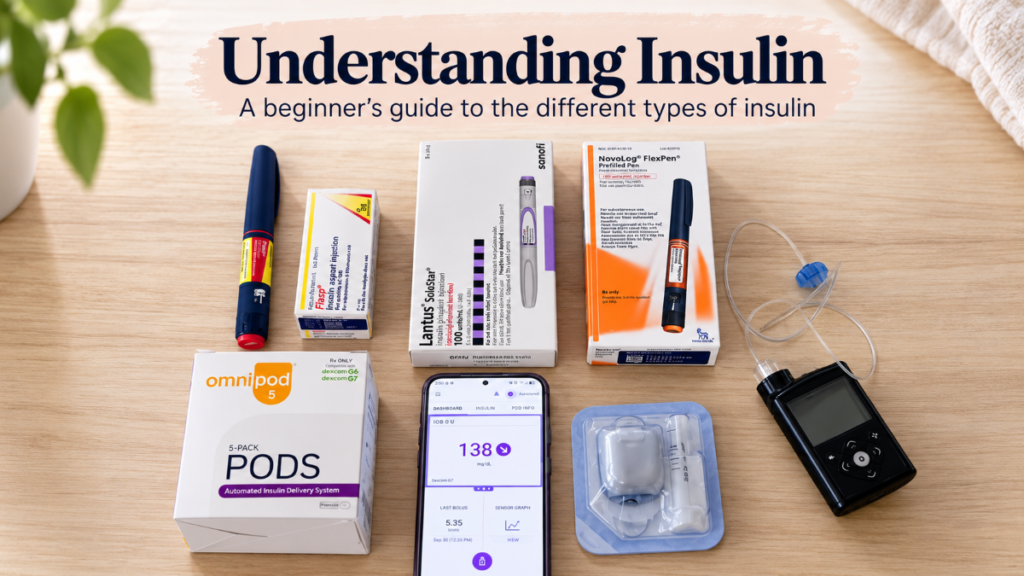
Along the way, the way I managed diabetes changed too. I spent many years using insulin pens, eventually moved to a Medtronic pump, and later switched to Omnipod.
My routines, priorities, responsibilities, and even my relationship with my own body changed.
I think that’s one of the things I wish I had understood when I was first diagnosed: you don’t have to figure out how you’re going to live with diabetes for the next 20 years.
You just need to figure out what works for the season you’re in.
And when that season changes, it’s okay to change with it.
I Wish I Had Learned About Strength and Nutrition Earlier
As I’ve gotten older, I’ve noticed that my relationship with food, exercise, and diabetes has changed too.
I eat better now. I’m more intentional about what I put into my body, and I feel like I’ve matured in the way I think about taking care of myself.
I also started strength training, and it made me realize how much I had been missing.
Looking back, one thing I wish someone had told me in my 20s was that taking care of your body through regular movement, strength training, and balanced nutrition could become such an important part of how you feel while living with Type 1 diabetes.
I’m not saying it suddenly makes diabetes easy. It doesn’t. I still have unpredictable blood sugars, and I still struggle with the numbers sometimes.
But for me, becoming stronger and paying more attention to how I eat has made me feel more capable of taking care of myself and managing the demands of everyday life with diabetes.
I wish I had discovered that earlier.
Maybe I wasn’t ready for it in my 20s. Maybe I needed to go through different chapters of life before I understood it.
But now, in my 30s, I see wellness differently. It’s less about trying to be perfect and more about giving my body the support it needs.
If I could go back and tell my 20-year-old self one thing, I’d say: don’t wait until you’re exhausted to start taking care of your body.
What I Would Tell My 17-Year-Old Self
If I could sit down with the 17-year-old version of me today, I wouldn’t tell her that everything would be easy.
I would tell her that there will be difficult days, frustrating numbers, and times when diabetes feels like a lot.
But I would also tell her that she is going to live a much bigger life than she can imagine right now.
I would tell her to ask questions, learn as much as she can, and let her diabetes care team help her. I would tell her not to be afraid to try new technology when it becomes available and to remember that what works for her can change over time.
I would tell her to take care of her body not because she needs to be perfect, but because she deserves to feel strong and healthy.
And most importantly, I would tell her not to let a difficult blood sugar day make her think she’s failing.
Nearly two decades later, I’m still learning. I’m still figuring things out. But I’m also living a life I couldn’t have imagined when I was first diagnosed.
Type 1 diabetes became part of my story at 17. It didn’t get to write the whole story.
A Note from Lady Clay
Everything shared on Lady Clay is based on my personal experience and is intended for general informational purposes only. It is not medical advice and should not replace guidance from your doctor or diabetes care team. My experiences with food, exercise, strength training, and diabetes management may not apply to everyone living with Type 1 diabetes.