


Strength & Wellness With Type 1 Diabetes

Strength training changed how I feel in my body and how I manage my Type 1 diabetes. Here, I share what I eat around workouts, how I keep my blood sugar steady, and what I’m learning as I get stronger. Start with the posts below.

Start with these

A top view of various gourmet dishes beautifully plated, showcasing Brazilian cuisine.

Eating out at Lazy Dog with Type 1 diabetes

How I plan, count and bolus when we eat out with a toddler in tow.
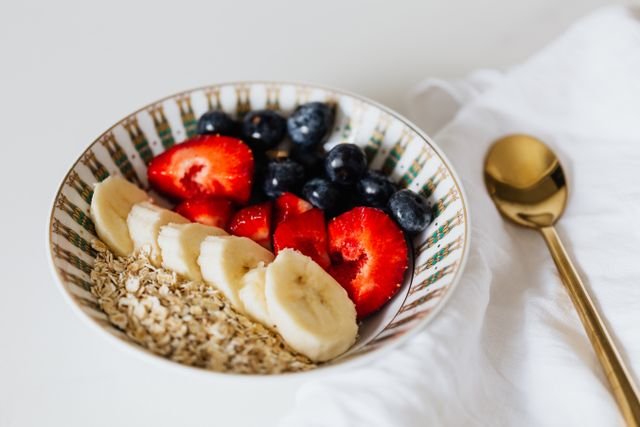
Overnight oats with fruit before a workout with Type 1 diabetes

What I eat around workouts with Type 1 diabetes

The snacks and meals that work for me before and after strength training.

Get new posts on strength and wellness

One email when I publish something new. No spam, and you can unsubscribe any time

No spam. Unsubscribe anytime

My strength and wellness story

Why I Started Working Out

In 2025, after two years of nursing, I started noticing that my body was aching more than I expected. I knew I needed to start moving again, but I wasn’t sure where to begin.

So I started small.

I began with Zumba twice a week. I did that for about a month, just getting my body used to moving again and finding something that felt enjoyable.

Then I added strength training once a week.

It wasn’t a dramatic transformation or an intense fitness routine. It was simply a place to start.

Over time, I realized that I didn’t just want to exercise to make the aches go away. I wanted to become stronger and feel more capable in my body.

My Goal was to feel Healthy Again

During the years of nursing and taking care of my baby, I lost quite a bit of weight. Between breastfeeding, caring for a little one, and simply trying to keep up with everything, taking care of myself sometimes came second.

By 2025, I knew I wanted to focus on getting healthy and stronger again. My goal wasn’t to lose weight. I actually wanted to gain some healthy weight and rebuild strength.

That’s one of the reasons I started with Zumba and eventually added strength training.

Over the following year, I gradually gained weight and, more importantly, started feeling stronger and more comfortable in my body.

Today, I’m happy with where I am. For me, this part of the journey has been less about changing how I look and more about giving my body what it needed after a demanding season of motherhood.

Starting Small

I didn’t start with a complicated workout plan. I simply wanted to get my body moving again.

Zumba gave me a fun place to start. Doing it twice a week helped me build a routine without making exercise feel overwhelming.

After about a month, I added strength training once a week. It was a small commitment, but it gave me a foundation to build on.

Eventually, strength training became something I wanted to continue, not because I needed to completely change my body, but because I liked feeling stronger.

Getting Stronger

What started as simply trying to move my body again gradually became something more meaningful.

Strength training taught me to pay attention to what my body could do – not just how it looked. I started noticing small changes: feeling more stable, lifting a little more, and feeling more confident in my own strength.

I’m still learning and building my routine. I don’t consider myself an expert, and I’m not trying to follow a perfect fitness plan.

I’m simply enjoying the process of becoming stronger, one workout at a time.

What Strength Means to Me Now

Strength has come to mean something different to me over the past couple of years.

It’s not about pushing myself to do more or trying to look a certain way. It’s about feeling comfortable in my body, having more energy, and knowing that I’m taking care of myself.

I’m still figuring out what movement and wellness look like for me alongside Type 1 diabetes and motherhood. But I’m proud of how far I’ve come, and I’m excited to keep getting stronger.

A note from Lady Clay:
Everything shared on Lady Clay is based on my personal experiences and is intended for general informational purposes only. It is not medical advice and should not replace guidance from your doctor or diabetes care team. Everyone’s experience with Type 1 diabetes is different.